




AI cameras for Saudi hotels Back-of-house, lobby and car park
Hotels, serviced apartments and travel offices in Riyadh, Jeddah, Makkah, Madinah and the Eastern Province use CamAI on the cameras they already have, to hear about service doors, kitchens, lobby queues and car parks while the team is busy with guests.
- 02:18Clip
Person on roof after hours
CAM 12Built-in
- 15:04Clip
Queue at reception over 5
CAM 01Built-in
- 23:51Clip
Smoke · laundry
CAM 07Built-in
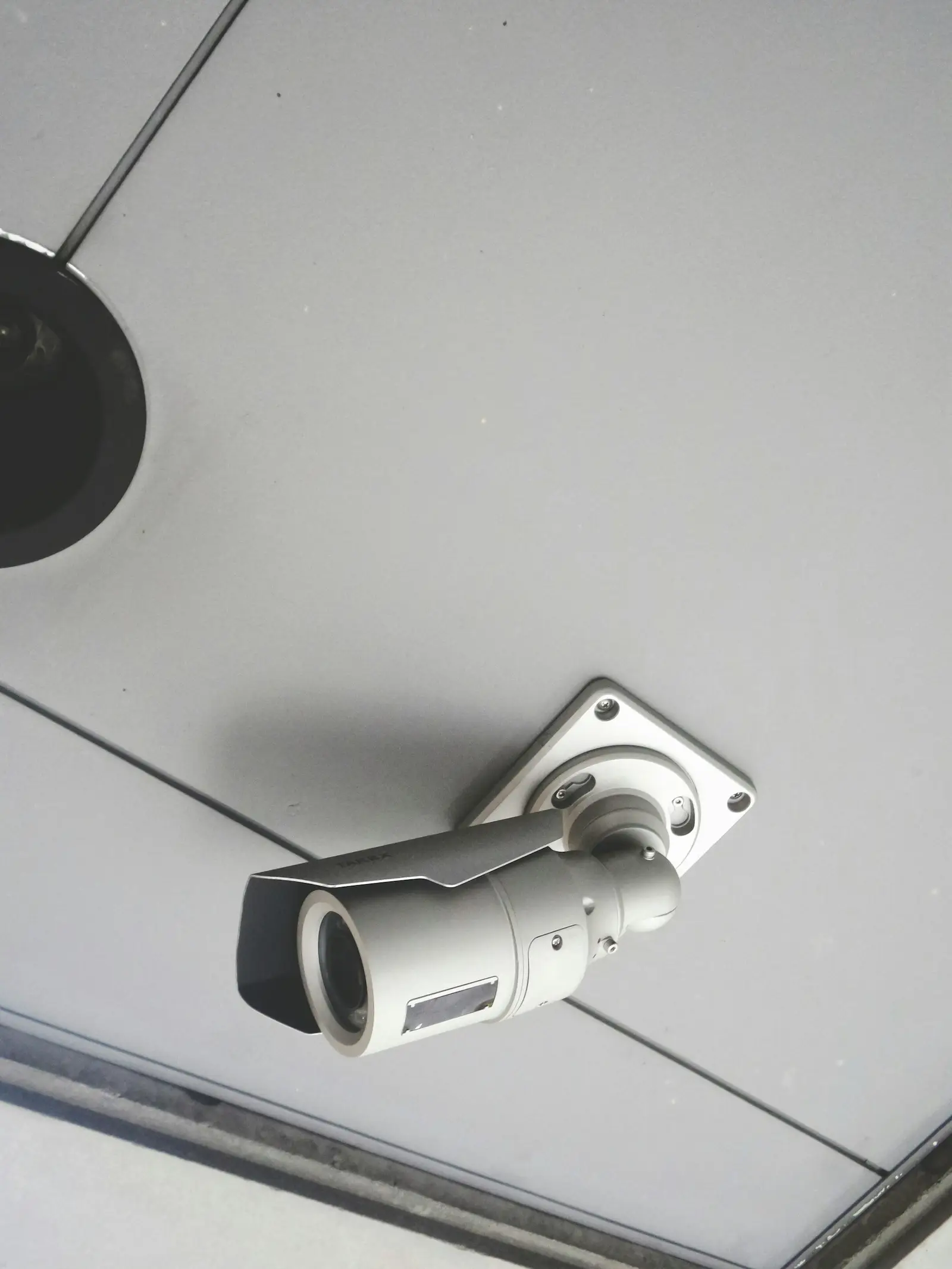
The cameras are there. The problem is what nobody sees.
The problem, in one line
The night team cannot watch every service door, roof and store on the screens.
Back-of-house is quiet for hours
Reception queues build at check-in time
The car park runs on guesswork
Rules that fit how your site runs.
Built-in
Entry to back-of-house, stores or roof after hours
Smoke or fire in laundry, kitchen and stores
Queue at reception too long
Vehicle at a gate not on the allow-list
Car park occupancy and overstays
Custom, tested in a pilot
Reception desk left unstaffed
Staff uniform in guest areas
Custom rules are built and tested on your own footage before go-live.
Book a site visitInside this sector. What CamAI can flag at each kind of site.
Built-in rules start on day one; anything marked custom is built and tested on your own footage in the pilot.
Hotels
Reception queues, back-of-house and roofs after hours, smoke in laundries and kitchens.
Serviced apartments
Plates at the gate with an allow-list, car park use, roofs and pools after hours.
Travel & tourism offices
Counter queues, visitors by hour and entry after closing.
Your video stays at your site
Usually analysed on a server at your premises. PDPL compliant · camera data in Saudi Arabia. CamAI does not identify anyone.
Privacy and your dataStart with one site
A pilot on your own cameras and footage, so you see real alerts before you decide. Pricing is by quote.
How the pilot worksHotel and hospitality camera alerts in Saudi Arabia
A hotel never really closes, and the places guests do not see, such as stores, roofs, laundry and service corridors, are the hardest to keep an eye on.
How Saudi hotels can use CamAI
A hotel never really closes, and the places guests do not see, such as stores, roofs, laundry and service corridors, are the hardest to keep an eye on. CamAI reads your existing camera feeds and sends the duty manager a short clip when something in those areas needs a look.
What Saudi hotel managers search for
People type “AI cameras for hotels in Riyadh”, “كاميرات ذكية للفنادق في جدة” or “CCTV alerts for serviced apartments in Makkah” when the control room is one person and fifty screens. They want the cameras to point out the few moments that matter: a door opened at the wrong hour, smoke in a kitchen, a long queue at reception.
What CamAI can flag in a hotel
Entry into back-of-house areas, stores, roofs and plant rooms outside the hours you set, and smoke in kitchens, laundry and storerooms as an extra early warning beside the fire alarm, never instead of it. It can flag a long reception queue, loitering near service doors and plates at service gates against an allow-list. Reception left unstaffed and staff uniform in guest areas are custom rules, tested on your own footage first.
Lobby, restaurant and car park numbers
Footfall counts by hour show when the lobby and the restaurant really fill up, which helps the front office and the F&B manager plan shifts for Umrah and Hajj seasons, school holidays and weekends. Car park occupancy and overstays help the team see when bays run short, with an anonymous grouped count rather than any identification of guests.
Privacy and how a pilot starts
Video is usually analysed on a CamAI server in your building, and only alerts with short clips go to the people you name by app, WhatsApp, SMS, email or Telegram. The setup is designed around Saudi Arabia’s Personal Data Protection Law (PDPL), and CamAI does not identify guests or staff. We start with a site visit, then a pilot on a few cameras, then a written proposal.
A city hotel in Riyadh
A hotel in Riyadh has a loading dock and a staff corridor that should be quiet after midnight. The security supervisor wants a clip on his phone whenever someone enters the store rooms or the roof door in those hours, and a queue alert when check-in builds up on a busy conference morning.
A hotel near the Haram in Makkah
A Makkah hotel fills quickly in peak seasons, and the lobby and the lifts get crowded. The front office manager wants hourly lobby counts and a reception-queue alert, so more staff can be moved to the desk before guests start waiting.
A resort in Jeddah or Al Khobar
A seafront property has a large car park, a service gate and a kitchen block. The owner wants plates at the service gate logged against an allow-list, smoke alerts in the kitchen and laundry, and an overstay report for the visitor car park.
Questions from Saudi hotels and hospitality teams
Can we use the cameras our hotel already has?
If they are IP cameras that stream over RTSP or ONVIF, usually yes, and your recorder stays as it is. During the site visit our team checks each view in the lobby, corridors, stores and car park, and tells you which cameras are ready and which need a better angle.
Will CamAI watch guests or rooms?
No. CamAI works only on camera views that already exist in public and back-of-house areas such as lobbies, reception, service corridors, stores and car parks. It does not identify guests or staff, and it is not used inside guest rooms.
Does smoke detection replace our fire alarm?
No. Smoke and fire alerts are an extra early warning from the camera view, for example in a kitchen or laundry. Your fire alarm and safety procedures stay exactly as they are.
Which alerts are built in and which are custom?
After-hours entry, restricted zones, loitering, smoke, queue length, footfall, car park occupancy and plate reading at gates are built in. Reception left unstaffed and uniform checks in guest areas are custom rules, built and tested on your footage during the pilot before they go live.
Can we cover several hotels or branches?
Yes. A group with properties in Riyadh, Jeddah and Madinah can see every site on one web dashboard, compare footfall by branch and receive scheduled reports, while each hotel keeps its own alerts and its own server.
How do we get started and what does it cost?
We visit the property, run a pilot on a few cameras, and then send a written proposal. Price is quoted per site after that, because camera counts, rules and layouts differ from one hotel to the next.
Cover the back-of-house too.
Book a site visit. We look at your hotel cameras and plan a pilot on the areas that matter most.
What happens next
- 1Our team contacts you to arrange a visit to your site.
- 2We look at your cameras and agree the rules with your team.
- 3A pilot on a few of your cameras, then a written proposal.